
Patricio’s quiet lesson on passing the torch fuels fresh debate on Ronaldo’s role in Portugal
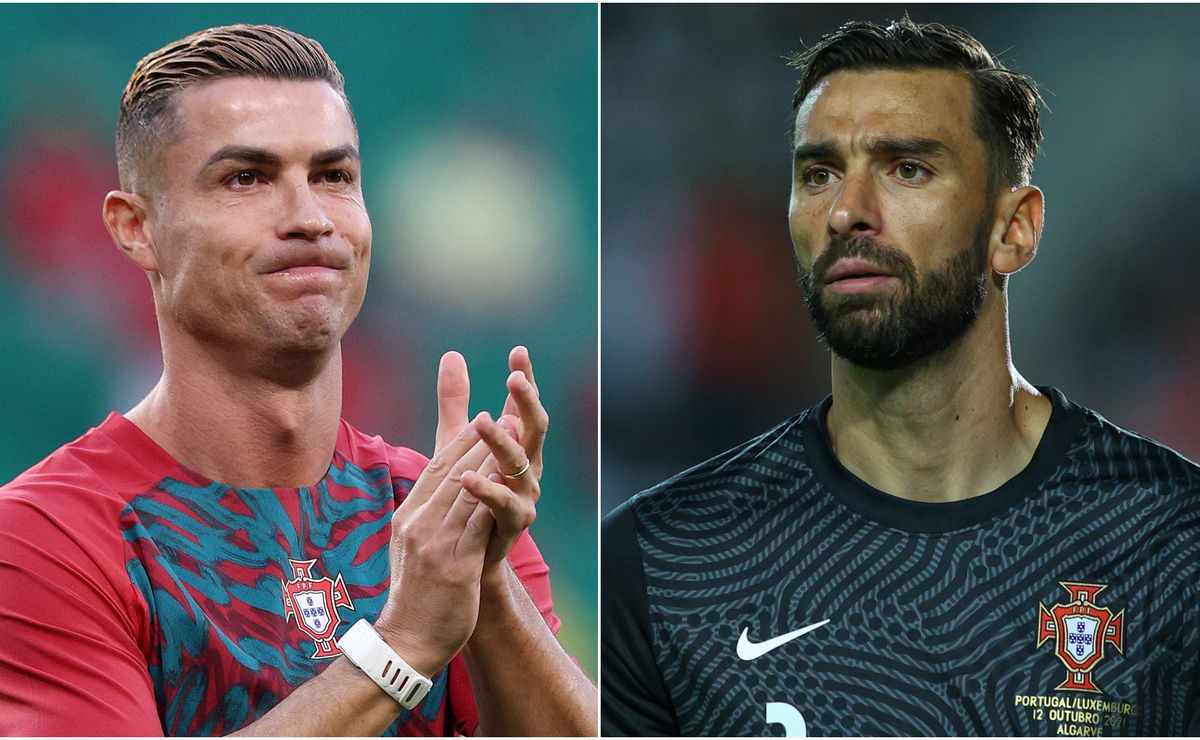
Former goalkeeper’s perspective resurfaces as Cristiano Ronaldo faces disciplinary action
Portugal’s national team is currently the focus of intense discussion after the veteran forward’s recent departure from the squad in Copenhagen. While the Portuguese Football Federation has already handed the 41‑year‑old a month‑long ban and a modest fine, a comment from a former teammate has added a new angle to the conversation.
Rui Patricio’s view on the inevitable change of roles
Speaking on the popular "90+3" programme on A Bola, ex‑first‑choice goalkeeper Rui Patricio reflected on his own experience of being replaced by a younger colleague. Patricio, who was a key figure in Portugal’s Euro 2016 triumph, explained that he chose to step aside when Diogo Costa emerged as the preferred option between the posts. He described the transition as a natural part of the sport and emphasized that there is little point in lingering on the loss of a starting place.
Patricio also recalled the support he received early in his international career from former goalkeeper Quim, using that mentorship as a model for how he approached his own hand‑over to Costa. He highlighted the importance of encouraging the next generation, even when it means sacrificing personal playing time.
Key points from Patricio’s interview
- He stopped playing to allow Diogo Costa to take the role.
- The shift was framed as a normal cycle rather than a personal grievance.
- He urged younger players to give their best, stressing collective responsibility.
- Patricio warned that every generation will eventually be replaced, and accepting that is essential.
Why the timing matters for Ronaldo
Ronaldo’s situation has become a hot topic after he left the national team camp on 30 September 2026 following a disagreement over his benching in a match against Norway. The Portuguese Football Federation responded on 19 October, imposing a 30‑day suspension and a €255 (approximately $286) fine for the unauthorised departure. The penalty was back‑dated so that it would expire before Portugal’s next set of fixtures in November.
Despite the controversy, the five‑time Ballon d’Or winner has repeatedly stated his desire to keep representing Portugal as long as he feels he can add value. He remains the nation’s all‑time leading scorer, with 146 goals in 234 appearances, a record that underscores his lasting impact.
Patricio did not name Ronaldo in his remarks, but the coincidence of his comments about making way for younger talent has prompted analysts to draw parallels. While Patricio’s own transition was relatively straightforward – moving from starter to mentor – Ronaldo’s position is more complex, given his status as captain and the symbolic weight he carries for the country.
What the next steps could look like
Ronaldo’s future involvement will depend on several factors:
- The willingness of head coach Fernando Santos (referred to as "Jesus" in some reports) to integrate the veteran into the squad under the current tactical framework.
- The player’s own assessment of his physical condition and ability to contribute at the international level.
- The dynamics within the dressing room, especially after the recent disciplinary episode.
Should Ronaldo decide to step back voluntarily, the national team would have to look to the next generation of attackers to fill the void left by the most prolific scorer in Portuguese history. If he remains, he may need to adapt to a reduced role, perhaps coming off the bench or serving as a mentor to younger forwards.
Broader implications for the Selecção
Patricio’s reflections serve as a reminder that football squads are constantly evolving. His experience of handing the goalkeeper’s gloves to a younger player without bitterness offers a template for handling transitions with professionalism. For Portugal, the conversation now extends beyond a single player to the broader strategy of blending seasoned leaders with emerging talent.
Whether Ronaldo will follow Patricio’s example of graceful acceptance or continue to push for a starting berth remains to be seen. What is clear is that the national team’s leadership will need to manage both the emotional and tactical aspects of this change as they prepare for upcoming qualifiers in November.
Conclusion
Rui Patricio’s candid discussion about relinquishing his spot to Diogo Costa has injected fresh perspective into the ongoing debate about Cristiano Ronaldo’s place in the Portugal squad. While the former goalkeeper’s words were not directed at the captain, the timing inevitably links the two narratives. As the Selecção moves forward, the balance between honoring its legendary figures and embracing the next wave of talent will shape the team’s identity and performance in the months ahead.
Post a Comment