
Infantino Faces Fresh Criticism Over Balogun Red‑Card Reversal and Alleged Trump Call
Background
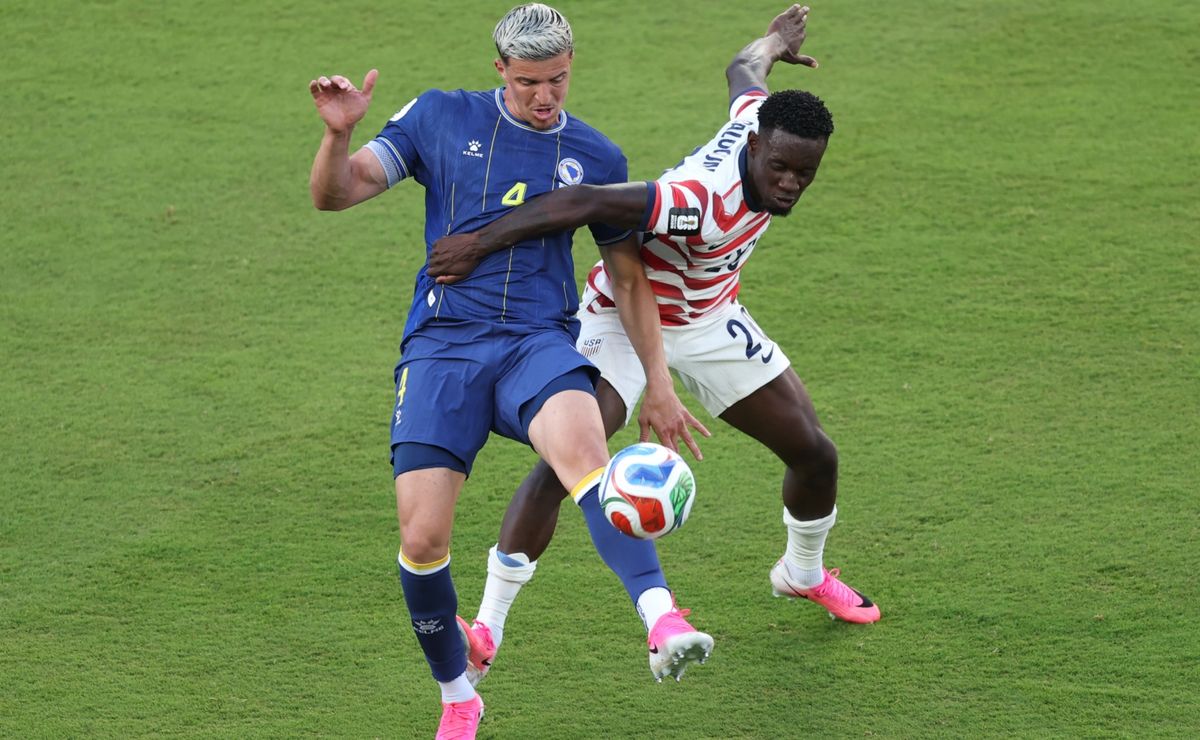
As the 2026 World Cup progresses, FIFA President Gianni Infantino is once again under intense scrutiny. The latest controversy centers on the United States forward Folarin Balogun, whose red card during the group stage sparked a chain of events that has reignited debate over the governing body’s disciplinary procedures.
The Red Card Incident
Balogun was dismissed from the match against Bosnia and Herzegovina, triggering the standard automatic one‑match ban that would normally have ruled him out of the United States’ round‑of‑16 encounter with Belgium. The ban threatened to deprive the U.S. of a key attacking option at a crucial juncture of the tournament.
FIFA’s Disciplinary Decision
Shortly after the incident, FIFA’s disciplinary panel announced that the suspension would be lifted, allowing Balogun to feature in the 4‑1 loss to Belgium. The reversal was unusual, prompting criticism from European football officials who questioned whether the governing body had applied its own rules consistently.
Allegations of Political Influence
New reports, citing four unnamed sources, claim that Infantino promised former U.S. President Donald Trump that he would intervene on Balogun’s behalf following a phone call on July 1. According to the sources, Infantino told Trump he would “take care of it,” and the suspension was rescinded shortly thereafter. FIFA has rejected the suggestion that its stance shifted because of external pressure, stating that its position remains unchanged despite the claims.
Proposed Changes to Disciplinary Regulations
Amid the fallout, documents obtained by The New York Post reveal that FIFA was circulating a draft amendment to its disciplinary code. The proposed change would bar legal panels from overturning the automatic one‑match bans that accompany red cards. An internal briefing memo reportedly emphasized that there was “no doubt nor lack of clarity” regarding how such suspensions should be served, indicating that the amendment was designed to prevent a repeat of the Balogun case.
Historical Context
FIFA’s past directives from 2002, 2003 and 2005 allowed a mandatory suspension to be waived only in instances where a referee had incorrectly identified the player who should have been cautioned. The current debate hinges on whether the Balogun decision adhered to those precedents or represented an unprecedented deviation.
Implications for the Upcoming Election
The controversy arrives at a sensitive moment for Infantino, who is facing growing opposition ahead of the 2027 presidential election. Critics argue that the handling of the Balogun case, coupled with the alleged Trump call, undermines confidence in FIFA’s governance and may influence member votes.
What Fans Need to Know
- Balogun’s red card was initially set to trigger a one‑match ban.
- FIFA’s disciplinary panel later lifted the ban, allowing him to play against Belgium.
- Four sources allege a phone conversation between Infantino and Donald Trump led to the reversal.
- FIFA denies any change in policy due to unnamed external influences.
- A draft amendment aims to prevent future waivers of automatic suspensions.
- Historical FIFA rules only permitted suspension waivers in cases of referee error.
Looking Ahead
The Balogun saga highlights ongoing tensions between sporting integrity and external pressures. As FIFA prepares for its next council meeting in Zurich, the organization’s response to the proposed rule change will be closely watched by national associations, clubs, and fans worldwide. The outcome could set a precedent for how disciplinary matters are handled in future World Cups and may shape the narrative surrounding Infantino’s bid for another term as FIFA president.
Post a Comment